
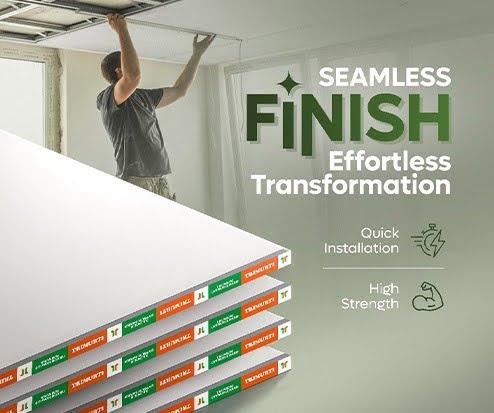
The ceiling has gradually evolved into an important part of architectural and interior design, influencing lighting, acoustics, proportions, and the overall character of a room. False ceiling materials are playing a much larger role in modern interiors than simply concealing wiring, pipes, or structural imperfections. From homes and offices to hotels, retail spaces, and commercial developments, designers are using ceiling systems to create more polished and functional environments. This shift has made material selection increasingly important, because the right ceiling solution needs to balance appearance, practicality, installation requirements, and long-term performance.
When the Ceiling Became Part of the Design
For a long time, ceilings were treated as a relatively overlooked surface. Walls received decorative finishes, floors were carefully selected, and lighting was planned as a separate element. Today, the ceiling is increasingly considered alongside these components as part of a complete interior concept. Layered designs, recessed lighting, geometric patterns, concealed services, and contemporary finishes have transformed the way designers think about the space above us.
This change has also expanded the range of applications for ceiling systems. A residential living room may use a ceiling structure to define a central lighting feature, while an office may use it to organise lighting and improve the visual consistency of an open workspace. Hospitality and retail environments can take the concept even further, using ceilings as part of the brand experience. As expectations have changed, the materials supporting these designs have needed to become equally versatile.
Choosing Materials for More Than Appearance
A visually impressive ceiling is only one part of a successful installation. The materials also need to respond to practical requirements such as weight, installation conditions, maintenance, moisture exposure, and compatibility with the surrounding structure. Different spaces can demand very different solutions, which means selecting a material simply because it looks attractive may not be enough.
This is why professionals compare false ceiling materials according to the needs of the specific project. The right choice can depend on whether the ceiling is being installed in a home, commercial property, office, retail environment, hospitality space, or another setting. Lighting arrangements, service access, room dimensions, and environmental conditions can also influence the final specification. A more considered approach allows the ceiling design to support both the visual and functional objectives of the space.
The Search for a More Complete Ceiling Solution
As ceiling designs have become more sophisticated, project teams increasingly need access to materials that can work together as part of a complete system. The ceiling is rarely an isolated element. It interacts with electrical systems, lighting fixtures, ventilation, insulation, walls, flooring, and other interior components. This makes coordination particularly important during planning and installation.
Working with an experienced best false ceiling supplier can help construction professionals approach these requirements more systematically. A supplier's role can extend beyond providing individual materials to offering product knowledge, availability, technical information, and solutions appropriate to different applications. For large projects especially, consistent supply and dependable product quality can make material planning easier and help reduce interruptions during installation.
Why Lightweight Solutions Are Gaining Attention
Modern construction places considerable emphasis on efficient installation. Materials that are easier to transport, handle, measure, and install can contribute to smoother project workflows, particularly when large ceiling areas are involved. Lightweight systems can also provide flexibility when designers want to introduce different levels, shapes, or integrated lighting features without creating unnecessary complexity.
However, lightweight should not simply mean less capable. The selected system still needs to meet the practical requirements of its application. Structural support, installation methods, environmental conditions, and manufacturer's recommendations all need to be considered. The objective is to find a balance between ease of installation and the performance expected from the finished ceiling. This is one reason professional material selection remains important even when a project has a strong emphasis on design.
Ceilings Are Becoming Smarter Spaces
A modern ceiling often performs several functions simultaneously. Beyond creating a finished appearance, it may accommodate lighting, ventilation, wiring, speakers, sensors, security equipment, or other building services. Concealing these elements can create a cleaner interior while still allowing the required systems to remain accessible for maintenance.
This functional transformation is changing how ceiling layouts are planned. Instead of adding services after the ceiling design has already been finalised, architects and contractors increasingly need to coordinate these requirements earlier in the process. Material selection consequently becomes connected to accessibility and installation planning. A well-designed ceiling should not only look complete when construction ends; it should also support the practical needs of the building throughout its use.
The Role of Ceiling Design in Different Spaces
The ideal ceiling approach can vary dramatically from one environment to another. In residential interiors, homeowners may prioritise clean lines, decorative lighting, and a sense of spaciousness. Offices may focus more heavily on lighting distribution, acoustics, service integration, and maintenance. Hospitality spaces may use dramatic ceiling features to create atmosphere, while retail environments can use them to reinforce a particular visual identity.
These differences demonstrate why there is no universal ceiling formula. False ceiling materials need to be evaluated in relation to the space in which they will be installed. A solution suitable for a dry residential bedroom may not automatically be the right choice for an area with different environmental conditions. Understanding the intended application before selecting materials can help prevent design compromises later in the project.
Quality Becomes More Important as Designs Become Complex
Simple ceiling designs can sometimes conceal minor inconsistencies, but complex layouts leave considerably less room for error. Geometric patterns, recessed sections, linear lighting, and multiple ceiling levels require accurate planning and careful installation. Small deviations can become highly visible once lighting is introduced across the finished surface.
This makes product consistency particularly valuable. Contractors need materials that behave predictably during installation and work effectively within the specified system. The expertise of the installation team also matters, but reliable materials provide an important foundation for achieving the intended result. When design ambitions become more detailed, the relationship between material quality and workmanship becomes increasingly visible.
Thinking About Maintenance Before Installation
A ceiling may look perfect on the day a project is completed, but its long-term practicality depends partly on decisions made during design and installation. Access to concealed services, lighting components, ventilation equipment, and electrical systems can become important when maintenance is eventually required. A design that prioritises appearance without considering accessibility may create unnecessary complications later.
This is another reason to consider the complete ceiling system rather than focusing only on its visible finish. Professionals can evaluate how materials, access points, lighting, and building services will interact before construction begins. Planning for maintenance does not have to compromise design. In many cases, it allows designers to create cleaner spaces while making the underlying systems easier to manage over time.
Building a Better Ceiling From the Start
The growing importance of ceiling design reflects a larger transformation in modern construction. Interiors are increasingly expected to perform visually and functionally, and ceilings are no longer being treated as empty surfaces above the room. They are becoming active components of architectural design, capable of shaping atmosphere, supporting technology, organising services, and influencing how a space is experienced.
For project teams, this makes the selection of false ceiling materials an important part of the wider design and construction process. The most suitable solution will depend on the building, application, environmental conditions, design intent, and installation requirements. Taking these factors into account from the beginning can help create ceilings that are not only attractive but also practical and durable.
From Overhead Surface to Design Statement
The modern ceiling has moved far beyond its traditional role. It can frame a room, direct attention, integrate technology, improve visual proportions, and contribute to the identity of an interior. Achieving these results requires more than an appealing design concept; it requires materials and systems that can support the concept throughout construction and everyday use.
Trimurti Productsoffers wall-care and construction solutions that form part of the wider material ecosystem used across modern building projects. For professionals evaluating ceiling and finishing requirements, working with the right materials and supply partner can help bring greater consistency to both design and execution. The ceiling may be above eye level, but in today's interiors, it has become one of the most noticeable parts of the room.